
Climate change is happening NOW and negatively affecting our planet! Many organizations are engaging in recycling programs, for example, Converse, 4Ocean, and, of course, MCLC.
Converse is apparently instituting a new “Converse Renew” recycling option for all of its products. But for now, let’s explore how they recycle their iconic Chuck Taylor sneakers.
On their webpage, Converse displays a montage that lasts for 5 seconds. In the clip, a converse high top first appears, then it turns into a plastic bottle, and then it cycles back and forth from sneaker to bottle. According to converse.com, they worked with First Mile, a recycling company headquartered in Pittsburgh, PA, to source the plastic bottles. The plastic bottles are then mechanically broken down into flakes and melted and rolled into bales that can be spun into yarn. The yarn is woven into a recycled polyester fabric, which is used to create their canvas specs.
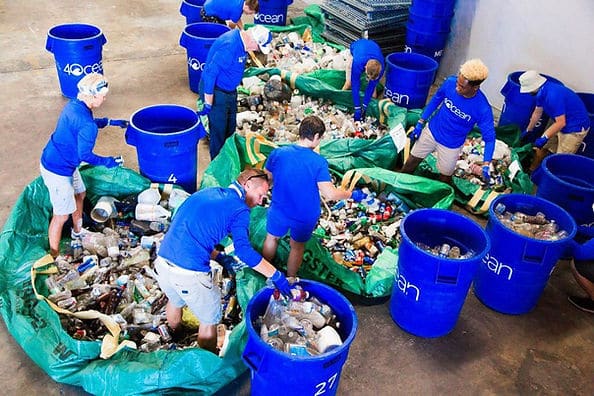
4Ocean is another company that recycles. They specialize in upcycling trash collected from the ocean which they convert into bracelets. Haiti, as we all know, has a trash problem. It got out of hand after the 2010 earthquake and 2016 Hurricane Matthew when international aid came in plastic and styrofoam. It is still an issue. I went to Haiti this past weekend, mainly to visit my family. On my way back to my house, Pétion-Ville was swamped with trash.

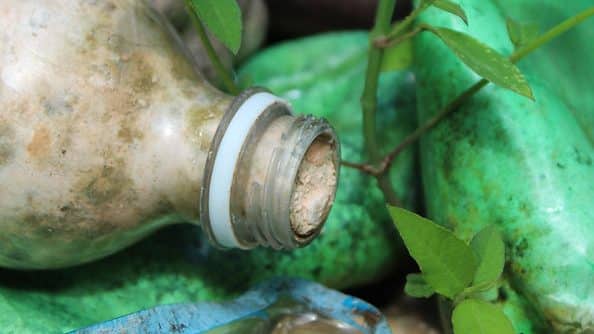
At the Matènwa Community Learning Center, we recycle too! The large wall that separates the school from the neighborhood yard, fun fact, is made from plastic bottles!
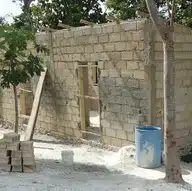
How is it made? Students and teachers gather plastic bottles at the school and take turns filling them with clay, till, and sand. After being filled, the bottles are stacked up and cemented together. In this way, plastic bottles are diverted from polluting the island. After Hurricane Matthew, multiple homes were rebuilt using plastic bottles lined on the inside.
Roots of Development just launched a recycling program on La Gonave! Click here to learn more. When it comes to food, the Matènwa Community Learning Center recycles through composting. We take any waste that is biodegradable (for example, fruit cores, eggshells, vegetable skins, manure, etc.), and till it into the soil. That soil becomes richer for crops planted in the future. If you are passionate or an expert or both when it comes to the topic of recycling, feel free to email us your practices. We are always open to new ideas!